Is NetSuite suitable for wholesale distribution?
NetSuite can be suitable for wholesale distributors that need to connect financials, purchasing, inventory, order management and fulfilment within one cloud platform. Fit depends on the distributor’s product, warehouse, channel, pricing, integration and reporting requirements, so selection should follow detailed process discovery rather than a generic product demonstration.
A distributor can be compared with an air traffic controller. Products arrive from different suppliers, move through locations and leave for customers under different commitments. The business must know what is coming, what is available, what has been promised and which exception needs attention. If each team uses a different view of the traffic, delays and collisions become more likely.
For Australian and New Zealand distributors, the challenge expands with imported goods, multiple warehouses, ecommerce, pricing or customer-specific service levels. NetSuite’s value is not simply that it stores inventory. It can connect inventory decisions with sales, purchasing, cash and financial reporting.
What does wholesale distribution ERP need to manage?
Wholesale distribution ERP should manage the commercial and operational flow from supplier to customer. This includes demand, purchasing, receipts, inventory, pricing, sales orders, allocation, fulfilment, returns and financial outcomes.
The system also needs to expose exceptions such as delayed purchases, competing allocations, low-margin orders, quarantined stock or split shipments.
Core requirements commonly include:
- Item and supplier records
- Purchasing and replenishment
- Inventory by location
- Sales order management
- Customer pricing and terms
- Allocation and fulfilment
- Returns and credits
- Inventory costing and financial reporting
- Dashboards, alerts and operational reporting
- Integration with warehouse, ecommerce, shipping or other platforms
The mix varies. Food distributors may prioritise expiry control, industrial distributors serial traceability, and omnichannel distributors cross-channel availability.
Which NetSuite capabilities matter to distributors?
Financial management
NetSuite brings accounting and operational transactions into a shared suite. For distributors, this can connect purchasing, inventory movements, customer orders and financial reporting.
Finance teams need visibility of inventory value, supplier commitments, receivables, margins and cash. A connected system can reduce the need to reconcile separate operational reports before management can understand performance.
The design must still define charts of accounts, dimensions, entities, approvals, tax, period controls and reporting. Software capability does not replace financial governance.
Purchasing and supplier management
Purchasing decisions depend on expected demand, current stock, committed orders, incoming supply, lead times and supplier terms. NetSuite can connect purchase orders and receipts with inventory and financial records.
Distributors should assess how the solution supports reorder policies, approvals, supplier pricing, expected receipt dates, partial deliveries and exceptions. The business also needs clear ownership of lead times and planning parameters.
Automation built on weak data can accelerate the wrong decision, so review processes remain essential.
Inventory visibility
Inventory visibility means more than stock on hand. Teams may need to distinguish available, committed, on order, in transit, damaged, quarantined or returned stock.
Multi-location businesses also need to understand where stock sits and whether transferring it is preferable to buying or back-ordering. Sales and customer service require a view that supports realistic promises, while finance needs the corresponding value and cost information.
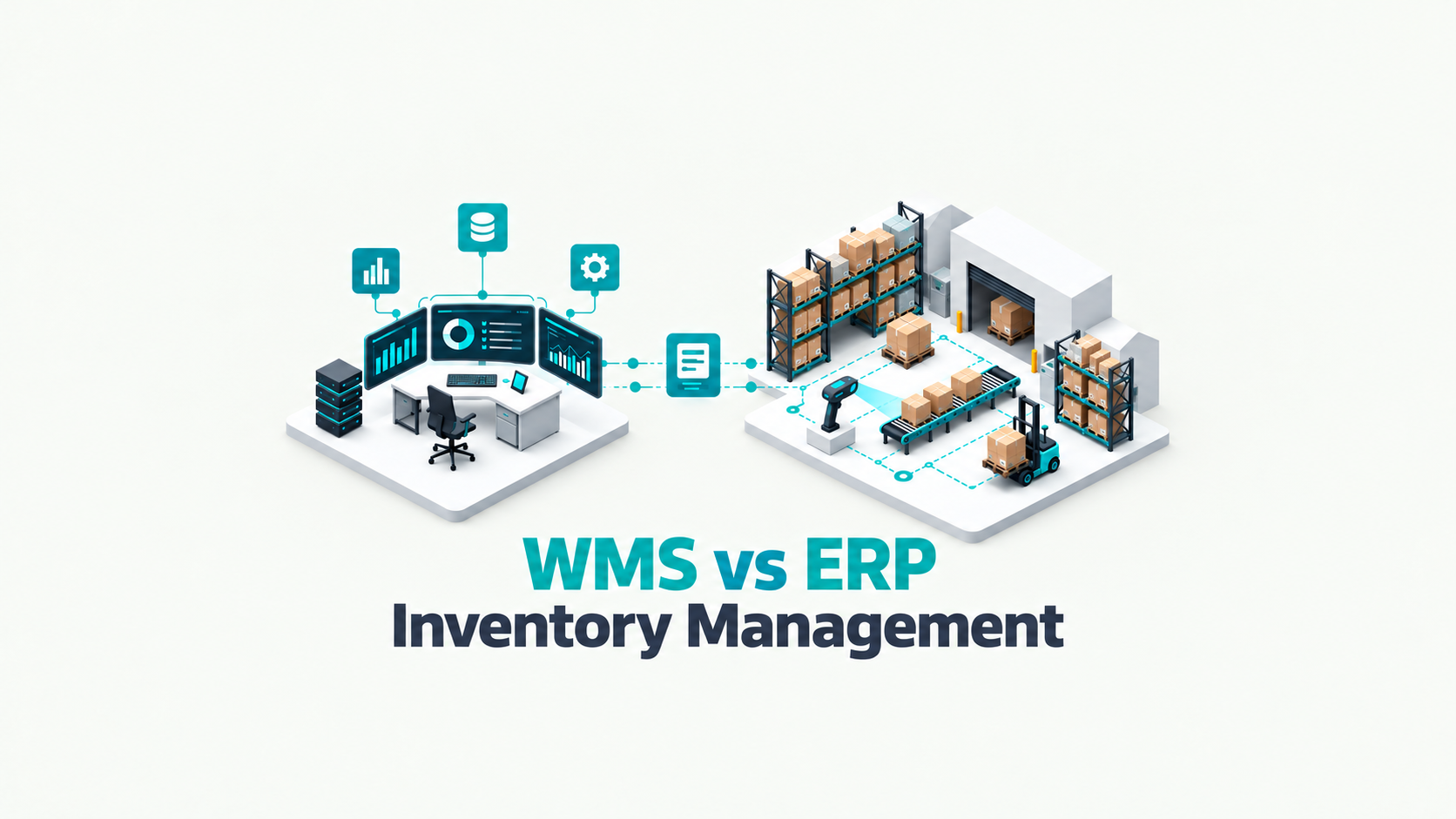
NetSuite inventory capabilities can support location-based control within the wider ERP platform. Detailed warehouse execution may require NetSuite WMS or another warehouse solution, depending on operational complexity.
Order management
NetSuite Order Management supports the order lifecycle from capture and validation through fulfilment, customer communication and settlement. It can also support processes such as split shipments and drop shipping.
For distributors, order management design should cover:
- Order sources and channels
- Credit and approval rules
- Customer-specific pricing
- Allocation and back orders
- Partial and split fulfilment
- Drop shipment or special orders
- Returns and credits
- Shipment and order-status communication
The objective is to manage orders consistently while making exceptions visible to the right person.
Warehouse and fulfilment
Warehouse requirements range from recording receipts and shipments to directing mobile tasks across a complex facility.
NetSuite WMS can extend warehouse processes with capabilities designed for inventory movement and fulfilment. Whether it is required depends on bins, scanning, putaway, replenishment, picking methods, order volume and traceability.
The project should distinguish ERP inventory control from warehouse execution. A simple operation may not need advanced WMS processes. A high-volume or multi-channel warehouse may find basic transactions insufficient.
Pricing and margin control
Wholesale pricing can involve customer agreements, quantity breaks, promotions, currencies and sales-channel differences. NetSuite Order Management includes central pricing capabilities with multiple price levels and customer- or currency-specific pricing.
The business should define who owns pricing, how changes are approved and which margin checks occur during order entry. If pricing logic remains in spreadsheets, the ERP may not become the trusted commercial system.
Margin reporting also depends on accurate cost. Freight, duties and other landed cost elements may materially change the profitability of imported products.
Reporting and dashboards
Different roles need different views. A buyer may need overdue purchase orders and stock risks. A warehouse supervisor may need fulfilment exceptions. Sales may need customer orders and availability. Finance may need inventory value and margin.
Dashboards should lead to action. Agree on definitions for orders, availability, service and margin so teams do not debate numbers before decisions.
How does NetSuite compare with disconnected distribution systems?
| Area | Disconnected applications and spreadsheets | Connected wholesale distribution ERP |
|---|---|---|
| Inventory | Totals assembled from exports or separate warehouse data | Shared inventory records linked with orders and purchasing |
| Orders | Status checked across sales, warehouse and finance systems | Order lifecycle managed through connected processes |
| Purchasing | Reordering based on periodic reports and manual adjustments | Purchasing uses current transactions and agreed planning data |
| Pricing | Rules held in files or individual knowledge | Controlled price structures and customer terms in the system |
| Finance | Operational data reconciled before reporting | Transactions feed financial records within the suite |
| Exceptions | Managed through email, calls and private lists | Dashboards, workflows and queues can expose required action |
| Growth | More volume creates more administration | Standard processes can support additional volume and locations |
Separate specialist platforms may be appropriate. The comparison highlights the cost of unclear ownership and delayed data between systems.
What are the potential benefits by audience?
Operations and supply chain
Operations can gain a more consistent view of stock, orders and incoming supply. This supports faster response to shortages, delays and competing demand.
Finance
Finance can connect inventory and order activity with the financial position. This may improve visibility of working capital, commitments, margin and entity performance.
Sales and customer service
Customer-facing teams can use current order and inventory information to make better-informed commitments. They also gain clearer status information when an exception occurs.
Purchasing
Buyers can assess demand, supply and lead times within the operating system rather than assembling a planning file from several sources.
Leadership
Management can review commercial and operational performance through a shared data model. The benefit is faster decision-making, provided definitions and transaction discipline are consistent.
What affects the cost of NetSuite for wholesale distribution?
The NetSuite wholesale distribution investment can be influenced by:
- Platform edition and entities
- Number and type of users
- Inventory and warehouse modules
- Order and pricing complexity
- Manufacturing or assembly requirements
- Data migration scope
- Ecommerce, WMS, shipping and other integrations
- Reports, workflows and customisation
- Training and change requirements
- Ongoing support
The proposal should separate the annual subscription, implementation services, third-party applications and recurring integration or support charges.
Compare proposals using the same business scenarios. A lower estimate may assume simple inventory, limited history or no integration. A higher estimate may include work the business cannot operate without.
What data should distributors prepare?
Data preparation commonly covers:
- Items, categories and units of measure
- Suppliers and supplier-item relationships
- Customers, addresses and terms
- Price lists and agreements
- Locations, bins and stock statuses
- Inventory quantities and value
- Open purchase and sales orders
- Lot or serial information
- Opening financial balances
- Historical transactions where required
Assign a business owner to each data set. The owner should define what makes a record valid, approve cleansing decisions and sign off the migrated result.
Trial migrations are important. They expose mapping issues early and give teams time to reconcile inventory, open orders and financial balances before go-live.
Which integrations should be considered?
Common distribution integrations include:
- Ecommerce and marketplaces
- Third-party logistics providers
- Warehouse management systems
- Shipping and carrier platforms
- Electronic data interchange
- Banking and payments
- Payroll and workforce systems
- Supplier or customer portals
- Business intelligence platforms
For each integration, define the system of record, direction, timing, volume and error process. Also decide who supports it after go-live.
Avoid using integration to preserve unnecessary duplication. If two systems both maintain customer or item data, the project needs explicit ownership and synchronisation rules.
Questions to ask before selecting NetSuite
- How will NetSuite represent available, committed and incoming stock?
- Can it support our locations, entities and channels?
- Which inventory and warehouse capabilities are included?
- How will customer pricing and approvals work?
- Can the solution support partial, split and drop-ship orders?
- How will returns, damaged stock and credits be managed?
- Which landed cost and costing requirements must be configured?
- What data and history will be migrated?
- Which integrations are essential for day-one operation?
- Which reports and exception dashboards will each role use?
- What training and support will be available after go-live?
- Which measures will demonstrate operational improvement?
Frequently asked questions
Does NetSuite include inventory management?
NetSuite ERP includes inventory-related capabilities, with additional modules available for more advanced requirements. Confirm the proposed edition and modules against your specific process.
Does a distributor need NetSuite WMS?
Not always. The answer depends on warehouse complexity, bins, scanning, directed work, picking methods and order volume. Straightforward warehouses may operate with ERP inventory and fulfilment processes.
Can NetSuite support multiple warehouses?
NetSuite can support inventory across locations. The design should address availability, transfers, allocation, fulfilment rules and reporting for the proposed structure.
Can NetSuite integrate with ecommerce and logistics platforms?
NetSuite supports integration through available platform capabilities and partner solutions. Each connection should be assessed for ownership, frequency, errors and ongoing support.
Is NetSuite suitable for a growing distributor?
It can be suitable when the required finance, inventory, order and fulfilment processes align with the platform and implementation design. A structured fit assessment is necessary.
Ready to connect inventory, orders and financials?
OneKloudX can help you assess NetSuite against your distribution model, define the required modules and integrations, and design an implementation around your customers, warehouses and growth plans.
Book a discovery call with the OneKloudX team and let’s map out what this looks like for your business.
📧 sales@onekloudx.com.au
🌐 www.onekloudx.com.au
Sources: NetSuite Order Management | NetSuite Products Australia | OneKloudX NetSuite ERP | OneKloudX Wholesale Distribution | OneKloudX NetSuite WMS